Your Body's Built-In Alarm System: A Guide to Fight, Flight, and Freeze
Have you ever felt your heart pound before a big presentation? Or felt your stomach drop when you heard unexpected bad news? Perhaps you’ve gone completely blank in a moment of conflict, unable to think or speak. These aren't just "in your head"—they are powerful, automatic survival responses orchestrated by your nervous system.
At Mind Trek Counseling, we often help clients understand these primal reactions. When we can demystify what's happening in our own bodies, we can move from feeling controlled by our reactions to compassionately understanding them. Let’s explore your body's ancient alarm system: the fight, flight, and freeze responses.
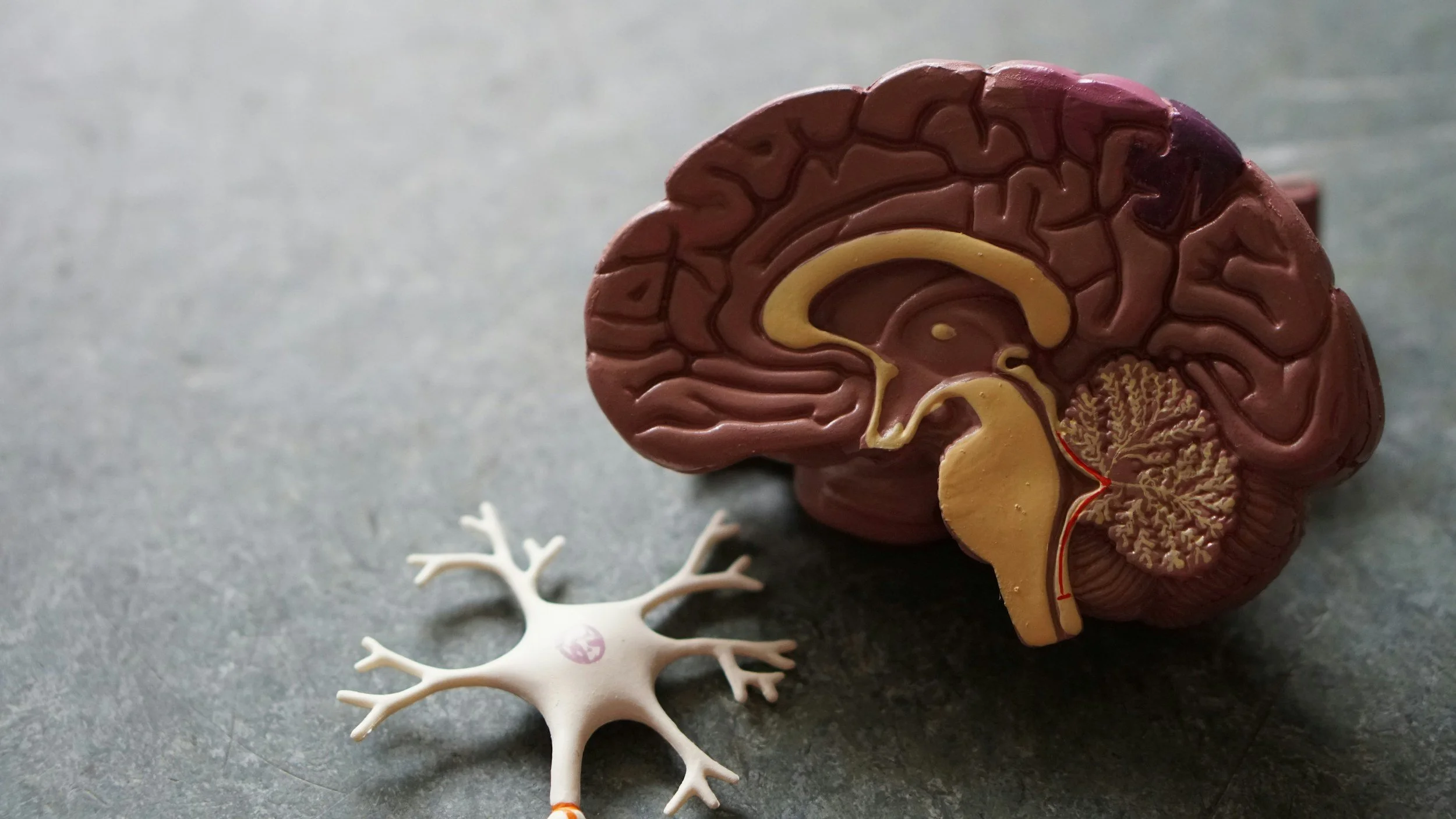
The Autonomic Nervous System: Your Body's Autopilot
First, a little biology. Your Autonomic Nervous System (ANS) runs essential functions like heartbeat, breathing, and digestion without you having to think about it. It has two main branches that work like a seesaw:
The Sympathetic Nervous System (SNS): Your "Gas Pedal." It activates to mobilize your body for action. This is where fight, flight, and freeze live.
The Parasympathetic Nervous System (PNS): Your "Brake Pedal." It activates to conserve energy, promote rest, and facilitate digestion. This is the state of "rest and digest."
The fight, flight, or freeze response is your sympathetic nervous system kicking into high gear. It's not a choice; it's a brilliant, lightning-fast survival mechanism designed to protect you from perceived danger.
Breaking Down the Three Fs: Your Survival Toolkit
When your brain (specifically, an almond-shaped structure called the amygdala) perceives a threat—whether it’s a physical danger or a stressful email—it triggers a cascade of stress hormones like adrenaline and cortisol. This prepares your body for one of three primary survival actions:
1. Fight
The Instinct: To confront and defeat the threat.
What It Feels Like: Anger, aggression, irritability, argumentativeness. You feel heated, tense, and ready to push back.
Your Body Changes:
Increased heart rate and blood pressure (to pump blood to muscles).
Muscles tense (especially in the jaw, shoulders, and fists).
A surge of energy and hyper-focus on the "enemy."
In Modern Life: Arguing with a partner, snapping at a coworker, feeling road rage. It's the urge to "stand your ground."
2. Flight
The Instinct: To escape or avoid the threat.
What It Feels Like: Anxiety, panic, restlessness, feeling trapped. You have an overwhelming urge to get away.
Your Body Changes:
Energy is sent to your leg muscles.
Your breathing becomes rapid and shallow to take in more oxygen.
You may feel dizzy, lightheaded, or have a strong urge to flee the room.
In Modern Life: Avoiding a difficult conversation, procrastinating on a daunting task, social anxiety where you want to leave an event.
3. Freeze
The Instinct: To become still and hidden, like a deer in headlights. This happens when fight or flight seems impossible.
What It Feels Like: Numbness, dissociation, "spacing out," feeling stuck or paralyzed. Your mind may go blank.
Your Body Changes:
A sudden drop in heart rate and blood pressure (playing dead).
A feeling of heaviness or coldness.
A disconnection from your thoughts, feelings, or body.
In Modern Life: Going mute during a conflict, "blanking" on a test, feeling unable to make a decision under pressure, dissociating during trauma.
There is a fourth, less common response: Fawn. This is an appeasement instinct—immediately trying to please or comply with someone to avoid conflict and ensure safety. It often involves neglecting your own needs to manage the other person's emotions.

When the Alarm Gets Stuck: From Survival Mode to Chronic Stress
This system is perfect for short-term, physical threats (like encountering a bear). The problem in our modern world is that our brain can perceive psychological threats (a critical boss, financial stress, social conflict) with the same urgency as physical ones. We can't fight our inbox or run from a mortgage payment.
When the alarm is triggered too often or for too long, we can get stuck in a state of dysregulation. Chronic activation of the stress response can lead to:
Anxiety disorders
Depression
Digestive issues
Chronic pain and muscle tension
Sleep disturbances
Difficulty concentrating
A constant feeling of being on edge
How to Work With Your Nervous System: From Reaction to Regulation
The goal isn't to eliminate these responses—they are life-saving. The goal is to recognize them and learn how to gently "press the brake pedal" (activate your parasympathetic system) to return to a state of safety and calm.
Here are practical steps:
Name It to Tame It: Simply notice. "My heart is racing. My shoulders are up by my ears. My nervous system is in 'fight' mode right now." This creates a tiny gap between the reaction and your awareness.
Use Your Breath to Send a Safety Signal: Your breath is the quickest lever to influence your nervous system. Try elongated exhales. Breathe in for a count of 4, and out for a count of 6 or 8. The long exhale directly stimulates the vagus nerve, your main "brake pedal" nerve.
Ground Yourself in the Present: If you're in "flight" or "freeze," use your senses. Practice the 5-4-3-2-1 technique: Name 5 things you see, 4 things you can touch, 3 things you hear, 2 things you smell, and 1 thing you taste. This interrupts the alarm cycle.
Move the Energy: For "fight" or "flight" energy, discharge it safely. Vigorously shake out your hands and arms, jump up and down, go for a brisk walk. For "freeze," try slow, gentle movement—rocking side to side, stretching, or a slow walk.
Practice Co-Regulation: Seek safe, calm connection. A hug from a loved one, petting your dog, or even hearing a soothing voice can help your nervous system down-regulate. We are wired to calm each other.
How Therapy Helps Rewire the Alarm System
If you feel like your alarm system is hypersensitive—going off too easily, too intensely, or getting stuck—therapy can help. Through modalities like Somatic Therapy and Polyvagal Theory-informed approaches, we can:
Identify your specific stress response patterns.
Process past experiences that may have trained your nervous system to be on high alert.
Practice and build new, concrete skills for regulation in a safe environment.
Gradually increase your "window of tolerance"—your capacity to handle stress without becoming dysregulated.
Understanding your fight, flight, and freeze responses is an act of self-compassion. It’s not about being broken; it’s about learning the language of your own body’s brilliant, if sometimes overzealous, protection system.
At Mind Trek Counseling, we help clients in Ohio understand and befriend their nervous systems. If you feel held hostage by anxiety, reactivity, or numbness, there is a path to greater calm and control.
Book an Appointment
Child, Adult, and Family Counseling at Mind Trek Counseling in or near Cleveland, Cleveland Heights, Columbus, and Cincinnati OH
Call us at (216) 200-6135
Email us at info@mindtrekcounseling.com
Available Monday to Sunday!