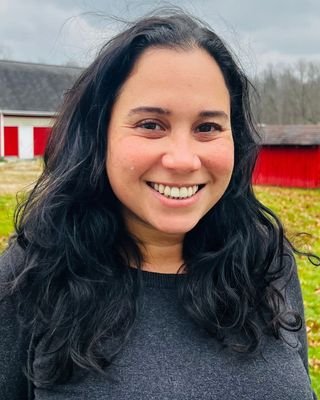
Hi there and welcome to Mind Trek Counseling! My name is Maya and I provide therapy for adult clients navigating complex trauma, addiction, and difficult family or institutional systems.
Many of the people I work with have spent years feeling like the “black sheep” or truth tellers in their families or communities. They are often the ones who spoke honestly about abuse, addiction, or dysfunction and were labeled difficult or “too much” for doing so.
By the time they reach therapy, many have already spent a long time trying to understand what happened to them. Some have even worked with other therapists but still feel like important parts of their story were never fully understood.
My work focuses on helping people reconnect with their own voice, rebuild trust in their instincts, and make sense of experiences that were minimized, denied, or dismissed.
I specialize in working with individuals recovering from trauma within families, institutions, and high control environments. This includes survivors of cults, human trafficking, abusive treatment programs, and the troubled teen industry, as well as people navigating the long term impact of emotionally immature or narcissistic parents.
Reaching out for therapy can feel vulnerable, especially if your experiences have been misunderstood in the past. Therapy should be a place where your story is taken seriously and where you are able to speak honestly about what you have lived through.
My Education and Training Background
I earned my Master’s Degree from Case Western Reserve University and am licensed as a Licensed Social Worker. I am also a Certified Clinical Trauma Professional and a Licensed Chemical Dependency Counselor with more than ten years of clinical experience specializing in trauma recovery, addiction, and co-occurring disorders.
My clinical background includes work in forensic psychiatric hospitals conducting competency and malingering assessments, as well as facilitating trauma focused groups in felony court systems and developing dual diagnosis treatment plans for individuals on probation.
I have also worked with individuals involved in human trafficking, mental health courts, and drug courts, and have provided therapy in correctional settings and inpatient psychiatric programs. My experience includes supporting survivors of controlling groups such as cults and abusive wilderness programs.
For a decade I have also worked with military veterans navigating the psychological impact of service.
I incorporate equine assisted therapy as part of my work to support nervous system regulation, relational healing, and somatic awareness.
Across settings ranging from rural and low income communities to concierge residential placements for high risk adults, my work is grounded in both clinical rigor and deep respect for the complexity of human experience.
Many of the clients who come to me have already spent years trying to make sense of their experiences or have worked with other therapists without feeling fully understood. My work often involves helping people untangle complex personal, family, and institutional dynamics that require careful attention and thoughtful exploration.
My Top Specialties
Veterans and Military Trauma
I have extensive experience working with military veterans navigating the psychological impact of service including combat trauma, reintegration stress, and moral injury.
Military culture often requires service members to suppress emotional responses in order to function under extreme conditions. Those skills are essential in combat but can become difficult to carry once someone returns to civilian life.
My work focuses on helping veterans process traumatic experiences, make sense of moral injury, and rebuild stability in a life that may look very different from the structure of the military. I approach this work with deep respect for the discipline, loyalty, and resilience that service members bring with them.
Addiction and Co Occurring Disorders
Addiction rarely develops in isolation. For many people it begins as a way to cope with trauma, chronic stress, or environments where emotional needs were consistently ignored or invalidated.
In therapy we look honestly at what the addiction was doing for you. Substances often serve a purpose such as numbing pain, reducing anxiety, helping with sleep, or providing relief from overwhelming emotions.
My work focuses on helping clients recognize the patterns that keep addiction in place while building healthier ways to regulate emotions, tolerate distress, and navigate life without relying on substances.
PTSD and Trauma Recovery
Trauma changes the way people understand themselves, their relationships, and the world around them. Many of the individuals I work with are not dealing with a single traumatic event but years of experiences where their reality was minimized, denied, or dismissed.
Many of my clients are thoughtful and perceptive individuals who have spent years trying to make sense of their experiences on their own. Some are professionals, caregivers, or even clinicians themselves. Others grew up in environments where they had to become psychologically aware very early in order to navigate complex dynamics.
I have particular experience working with complex and institutional trauma including sexual trauma, medical trauma, military trauma, human trafficking, cult involvement, and the troubled teen industry. I also work with individuals navigating the psychological impact of political and social environments that marginalize or target their identities.
Therapy is not about fixing you. It is about helping you reconnect with your voice, trust your instincts again, and move forward with greater clarity and autonomy.
LGBTQIA Affirming Therapy
Supporting LGBTQIA clients is an important part of my work. Many people I see have spent years navigating environments where their identity was misunderstood, minimized, or rejected outright.
I take an openly affirming approach and recognize that many mental health challenges LGBTQIA individuals experience are shaped by broader social and political environments that marginalize queer and gender diverse people.
Therapy becomes a space where you do not have to defend who you are. My role is to support you in building a life that feels authentic, self directed, and aligned with your values.
Get in Touch with Maya
Maya Cortes, LSW, LCDCIII, CCTP, MSSA

My Library

Adult Children of Emotionally Immature Parents: How to Heal from Distant, Rejecting, or Self-Involved Parents
Adult Daughters of Narcissistic Mothers: Quiet the Critical Voice in Your Head, Heal Self-Doubt, and Live the Life You Deserve
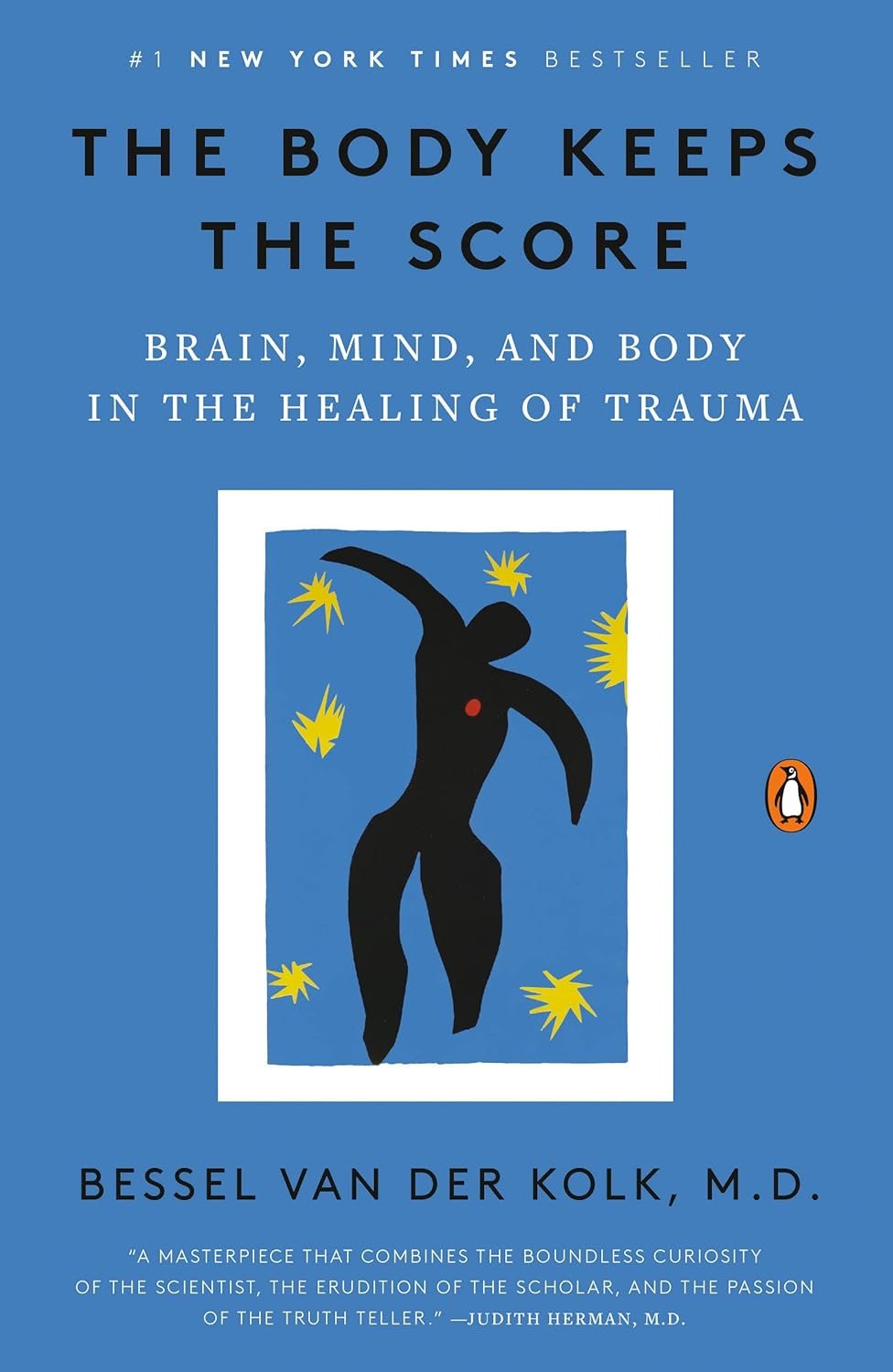
The Body Keeps the Score: Brain, Mind, and Body in the Healing of Trauma

Educated: A Memoir

Leaving the Fold

I See You, Survivor: Life Inside (and Outside) the Totally F*cked-Up Troubled Teen Industry