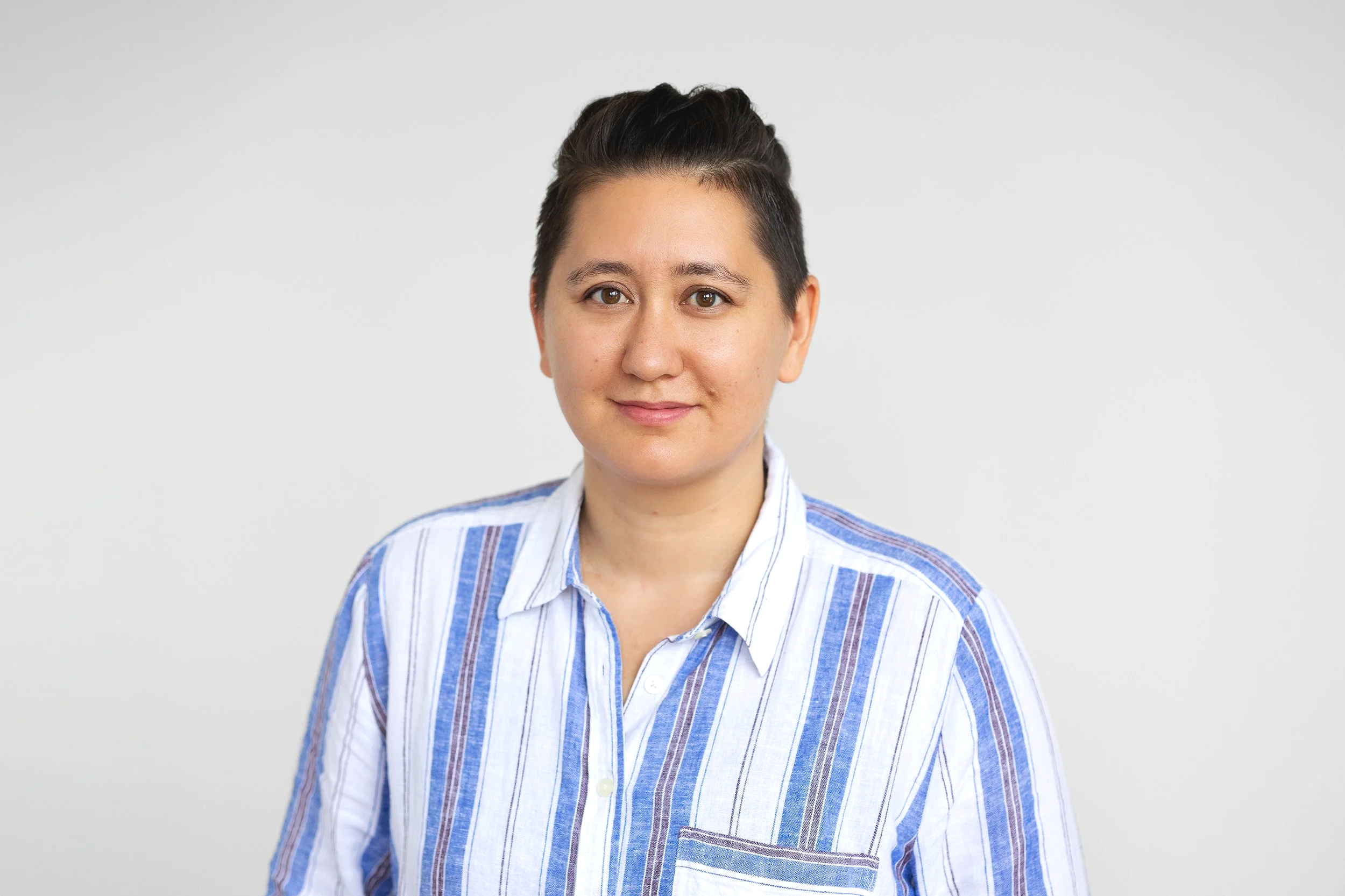
Hi! My name is Leah, and welcome to Mind Trek Counseling! I'm glad you're here! Are you seeking a sense of belonging, but struggle to fit in and be accepted for your authentic self? Have you struggled to find motivation and reach your potential, even though you have goals, skills, and dreams for yourself? Do emotions sometimes get out of control—or feel hard to access—getting in the way of the relationships you want and the person you want to be? Is identity something you're actively exploring, whether that's gender identity, race, culture, or a major life transition?
If these questions resonate with you, I'm here to walk with you on your path to growth and self-discovery. I specialize in supporting LGBTQ+ individuals, neurodivergent clients (ADHD, ASD, AuDHD), teens/adolescents, and emerging adults (ages 18-30) navigating anxiety, depression, trauma, or life transitions. Together, we can learn how to work with yourself, instead of against yourself, to create a more meaningful, engaged, and connected life.
My Background
I am a master's-level Licensed Social Worker (LSW) and graduated from Cleveland State University in 2024. My undergraduate degree is in Fashion and Textile Design from the University of California, Davis; I spent 13 years working in the fashion and costume industry in New York City. This prior career gives me unique perspective on creativity, achievement, and managing boundaries within creative fields.
I completed two years of clinical internship at Oberlin College and Conservatory's Counseling and Psychological Services and have worked in both private practice and community counseling setting. Throughout my clinical work, I have served clients with ADHD, AuDHD, or ASD—many of whom are LGBTQ+—along with depression, anxiety, and trauma.
How Can I Help?
I am trained and certified in Cognitive Processing Therapy (CPT) and Acceptance and Commitment Therapy (ACT), and I integrate mindfulness and Solutions-Focused Therapy into my practice. I also received trainings on Executive Functioning Coaching for executive function issues of ADHD.
Cognitive Processing Therapy (CPT) is a highly researched, evidence-based therapy for reducing symptoms of PTSD by addressing how traumatic events shift our beliefs about ourselves, others, and the world. CPT has also proven effective for treating the depression that often accompanies trauma.
Using Acceptance and Commitment Therapy (ACT) as a framework, we'll develop psychological flexibility to navigate life's ups and downs. Together, we will identify your values and goals to give yourself a compass, and build tools to reduce the inner conflict that comes from self-criticism, avoidance, or trying to control the uncontrollable.
I center an anti-racist, anti-oppression, and abolitionist perspective and have experience supporting clients who have experienced the traumas of poverty, system involvement, racism, and ableism. I am committed to ongoing learning about neuroscience, ADHD, ASD, LGBTQ+ issues, and continuing to develop clinical skills to meet my clients' needs.
My highest priority is to provide a safe, affirming, and nonjudgmental space where you can show up as your authentic self. I believe healing happens in connection—and that you already have the strengths within you to grow.
Get in Touch with Leah
Leah Huntsinger, LSW, MSW

My top specialties are neurodivergence, LGBTQ+ Affirming care, Trauma, and emerging adults.
Neurodivergence (ADHD, ASD, AuDHD)
ADHD, autism, and AuDHD shape the way you think, feel, connect, and move through the world — and understanding that about yourself can be genuinely life-changing. For many adults, a diagnosis or formal assessment comes later in life, often after years of struggling without explanation, pushing through systems that were not built for your brain, or internalizing the message that you simply were not trying hard enough. That ends here.I offer comprehensive assessment services to help bring clarity and understanding to your experience. Whether you are seeking a formal evaluation, exploring whether a diagnosis fits, or looking to better understand an existing one, the assessment process is collaborative, thorough, and designed to see the full picture of who you are — not just a checklist of symptoms. A clear understanding of your neurology is not just a label; it is a foundation for meaningful, targeted support.
From there, treatment is built around you. Drawing on evidence-informed approaches adapted for neurodivergent minds, we work on the areas that matter most — whether that is emotional regulation, rejection sensitive dysphoria, executive functioning, burnout and recovery, or the relational challenges that so often accompany ADHD and autism. Masking, identity, and self-worth are frequently woven into this work as well, because for many neurodivergent people, the emotional toll runs deep. Together, we will build strategies that work with your neurology, not against it — and work toward a life that feels less like surviving and more like genuinely thriving.
LGBTQ+ Affirming Care
Your identity is not a clinical issue — it is a fundamental part of who you are, and it deserves to be met with full affirmation, respect, and understanding. In this space, you will never be asked to justify, explain, or defend who you are or who you love. Whether you are gay, lesbian, bisexual, queer, asexual, intersex, or still exploring what language feels right for you, this is a place where your whole self is welcome.I provide care that is genuinely informed by the realities of LGBTQ+ lives — including the unique stressors of navigating a world that does not always see or value you fully. We can work together on a wide range of concerns, from identity exploration and coming out at any stage of life, to relationship dynamics, family estrangement, community belonging, and the cumulative toll of minority stress.
I support clients in exploring and affirming their identity—whether that involves gender identity, sexual orientation, race, culture, or intersectional experiences. I help clients unlearn internalized stigma, build self-advocacy skills, and cultivate communities of belonging. For couples, I support communication, boundary-setting, and deepening connection. I hold space for the full spectrum of LGBTQ+ experiences with warmth, respect, and affirmation.
Trauma
I provide compassionate, evidence-based support for clients navigating different types of traumas, recognizing that healing looks different for everyone. Using Cognitive Processing Therapy (CPT), we gently examine how traumatic experiences may have shifted your beliefs about safety, trust, and self-worth, working to reduce PTSD symptoms and co-occurring depression while reclaiming your sense of agency. Here’s the list of traumas we can identify and work on:
Single-Incident Trauma: Accidents, medical emergencies, natural disasters, assault, or sudden loss that left you feeling shaken or unsafe.
Complex & Developmental Trauma: Ongoing experiences of neglect, abuse, instability, or attachment wounds—especially in childhood—that shape how you relate to yourself and others today.
Identity-Based & Systemic Trauma: The cumulative impact of racism, homophobia, transphobia, ableism, poverty, or system involvement that affects your sense of safety, worth, and belonging.
Relational & Attachment Trauma: Patterns of hurt, betrayal, or disconnection in family, friendship, or romantic relationships that make trust feel risky or exhausting.
Sexual Trauma: Assault, abuse, coercion, exploitation, or violation that left you feeling unsafe in your body, struggling with trust, intimacy, or boundaries, or carrying shame, guilt, or confusion that isn't yours to hold.
Neurodivergent-Specific Trauma: Experiences of masking, rejection, burnout, bullying, or being pathologized for having a brain that works differently.
Moral Injury & Workplace Trauma: Distress from witnessing or participating in events that conflict with your values—common in caregiving, creative, or high-pressure fields.
Emerging Adults & Life Transitions
While I work with clients ages 13–100+, I especially enjoy supporting those navigating the transition to adulthood (ages 18–30). This period brings internal and external pressure—and also immense possibility. I help clients recognize that life is happening now, not in a distant future, so they can create more satisfaction in the present while working toward long-term goals. We'll build resilience, clarify values, and develop practical skills to thrive amid change.
I am under the supervision of Kristen Ayers, LISW-S, I.1800915-SUPV.