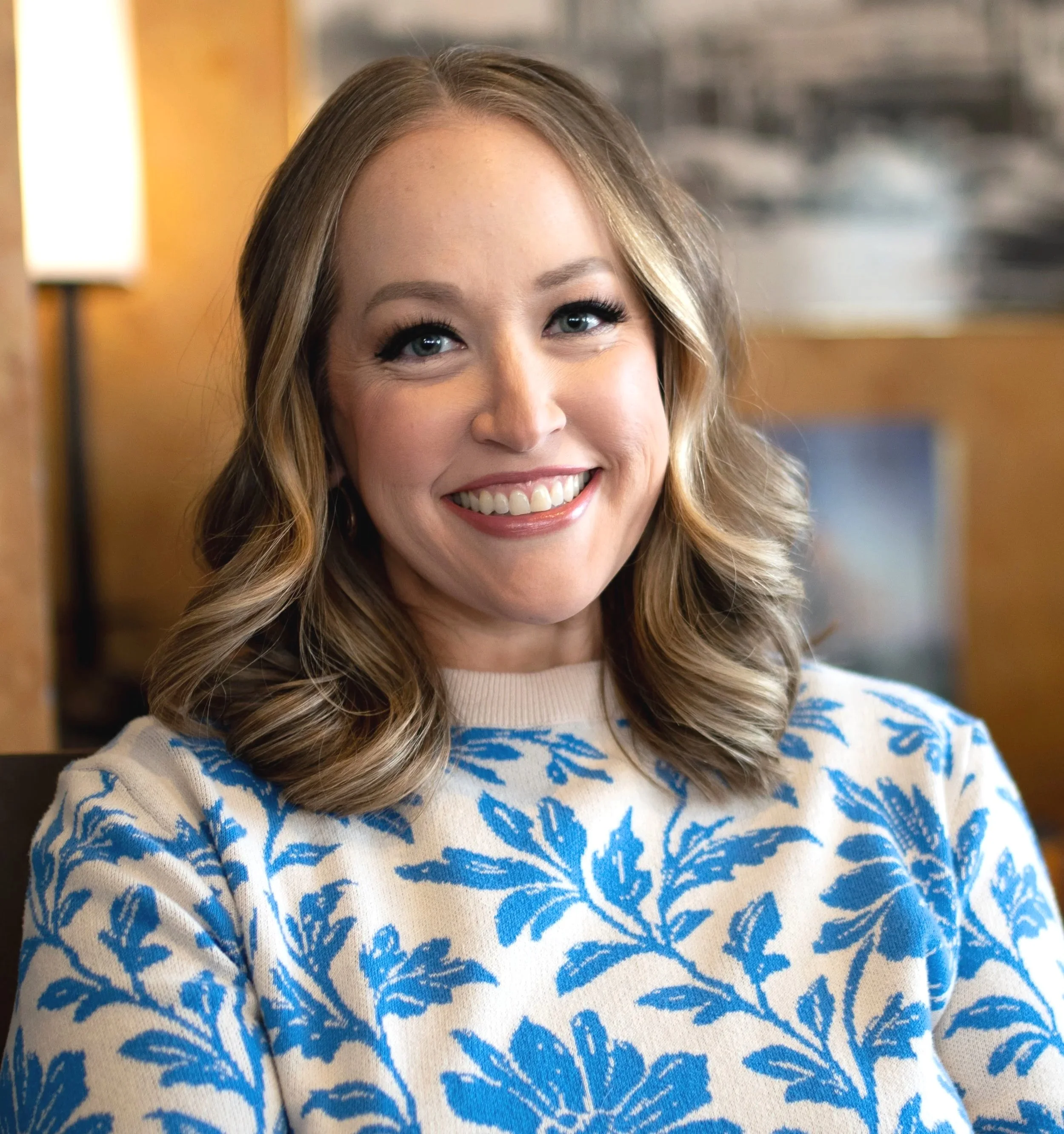
Hi! My name is Stephanie, and welcome to Mind Trek Counseling! I'm glad you're here! I work with very diverse groups and many of my clients live along the margins of society — whether due to the severity of their symptoms, being seen as a non-conformist, being labeled "difficult" by the healthcare system, or simply reacting to the very real weight of systemic oppression. I warmly welcome members of the LGBTQ+ community, especially trans folx. I affirm multi-pathway addiction recovery, value neurodivergence (ADHD/Autism) as a naturally-occurring continuum of human variation, and I'm deeply passionate about supporting healing from religious trauma. Complex presentations don't scare me — come as you are and bring it on. I offer a down-to-earth, transparent, and kind approach.
My Background
I've spent the past 15+ years working in community mental health settings treating addiction, mental health disorders, and co-occurring conditions. I started out as a residential aide in a community corrections setting with an entry-level addiction credential — while in dual-recovery myself. That lived experience has shaped everything about how I practice.
Over the years I worked my way up through addiction counseling before returning to school to earn my Master's degree in Clinical Mental Health Counseling from Kent State University in 2015. I've continued building my skills through a wide range of evidence-based trainings, including Acceptance and Commitment Therapy (ACT), Dialectical Behavioral Therapy (DBT), Cognitive Behavioral Therapy (CBT), Existential Therapy, Narrative Therapy, Minority Stress Reduction, Harm Reduction, and 12-Step/Mutual Support Recovery.
How Can I Help?
I'm well-versed in treating clients living with co-occurring disorders, including mood and anxiety disorders, thought disorders, PTSD and complex trauma, neurodivergence, addiction and substance use disorders, and physical disabilities.
As someone with both lived experience and professional training, I offer a unique, collaborative approach. I acknowledge the inherent power differential that exists between a client and a therapist — and I take that seriously. My role isn't to steer you in a certain direction, but to walk alongside you as you determine what best serves you at this point in your life.
Get in Touch with Stephanie
Stephanie Cull, LPCC-S, LICDC, M.Ed.
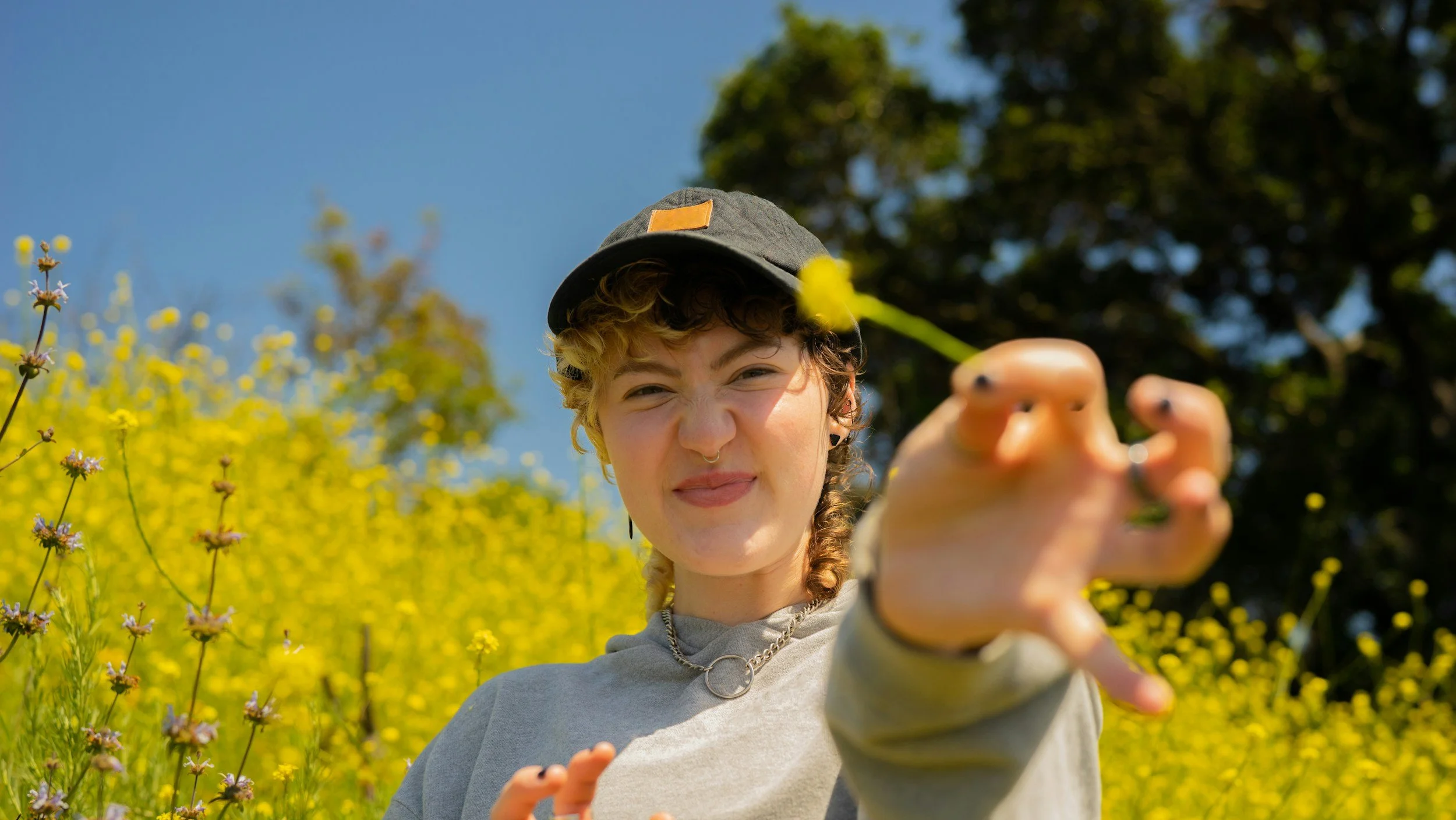
My top specialties are ADHD,PTSD & Complex Trauma, Substance Use & Addiction, and LGBTQ+ Affirming care.
ADHD/ADD
Neurodivergence — including ADHD, sensory processing differences, learning differences, and related conditions — can be a naturally occurring continuum of human variation. And yet most systems in our society are designed for a narrow neurotype, which means neurodivergent people often spend their lives being told they're "too much," "not enough," or broken in ways they simply are not. Many neurodivergent clients arrive in therapy having internalized years of shame, misdiagnosis, or treatments that never accounted for how their brain actually works. For those navigating a late diagnosis, there's often a complex grief process as well — finally having language for a lifetime of experiences, while mourning the support that wasn't there sooner.
I work from an affirmative, strengths-based framework that honors the way your brain is wired rather than trying to override it. Using Executive Functioning Coaching, ACT and Narrative Therapy, we work together to untangle the daily task related struggles, internalized shame, build self-understanding, develop strategies that actually fit your life, and reconnect you with your own strengths and identity beyond the labels you've been handed.
PTSD & Complex Trauma
Trauma doesn't always look the way people expect. The behaviors that create difficulties in your relationships, at work, or at home are often survival responses — not flaws, not defiance, and not signs that something is fundamentally wrong with you. Too often, these responses are misinterpreted and treated in ways that are unhelpful or even retraumatizing.
I help clients process their experiences without assigning individual blame for having completely natural reactions to painful things. Together we work on rewriting old stories that no longer serve you, building self-compassion, and finding meaning as a whole person who has lived through something hard. I'm especially skilled at supporting healing from religious trauma — particularly those recovering from Evangelical Christianity — and in working with Adult Children of Alcoholics, Addicts, and other family system dysfunction.
Substance Use & Addiction
Addiction is not a character flaw or a failure of willpower. I understand it through two important lenses: first, as a bio-psycho-social condition shaped by genetics, neuroscience, and environment; and second, as a response that often makes complete sense given the individualistic, supremacist culture many of us are surviving — one that creates intergenerational and collective trauma across communities. For many people, substance use started as a way to cope with pain, disconnection, or circumstances beyond their control. That doesn't make it any less worth addressing, but it does change how we approach healing together.
I meet clients where they are and affirm multi-pathway recovery, meaning there is no single "right" way to address addiction. Whether that's harm reduction, abstinence, 12-step programs, medication-assisted treatment, or something else entirely, we explore what actually fits your life — without shame and without judgment. Having walked this road myself, I bring a perspective that is both clinically grounded and genuinely human.
LGBTQ+ Affirming Care
As a fellow member of the LGBTQ+ community, I treat every person who walks through my door with dignity, respect, and full recognition of who they are. I also don't pretend the world is safe. The physical, material, social, and psychological dangers facing our community are real and ever-present, and any honest therapeutic space has to acknowledge that rather than minimize it. Minority stress is a documented, measurable phenomenon — and it deserves to be treated as such.
I offer culturally informed coping and stress reduction tools, and I'm experienced in guiding clients through coming out processes, gender identity exploration, and transition — including the grief and joy that can come with both. I also welcome work with queer couples and those in polyamorous or non-traditional relationship structures, approaching all relationship configurations with genuine curiosity and respect rather than a heteronormative lens.